New Study: Carbon Pollution & the Oceans

A new study finds that our carbon pollution has dramatically changed the chemistry of the world's oceans

‘Hidden Risks’ of Mercury Pollution

Check out this Q&A on a new report detailing the continued dangers of mercury pollution for people and nature

Tell Us Your Favorite Environmental Movie Moments

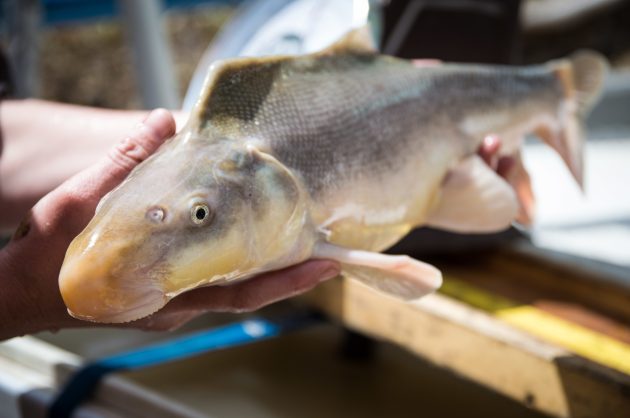
I’ve pulled together my own list of nominees for the Conservancy “Oscar”; our version being the fish from the Amazon basin

Your Climate Stories

What are you doing in your home, in your neighborhood, and in your community to help reduce carbon pollution and respond to the impacts of our changing planet?

More Posts

Your Climate Stories: Karen Beswick Still Finds Magic of Nature from Childhood

Written by Guest Blogger on

Karen Beswick with home-gown vegetables.

This is part of a new regular series on Planet Change called “Your Climate Stories,” where we share reader stories about changes to the planet that they’re seeing, and actions that they are taking in their daily lives to help reduce carbon pollution and respond to the impacts of our changing planet. Today’s story is from Karen Beswick, who is sharing her love of nature from childhood with her own children and community.

Study: People’s Carbon Pollution Not Only Changing the Atmosphere But Also the Oceans

Written by Lisa Hayden on

Coral gardens in reef pool, Palmyra Atoll.

A Nature Conservancy marine scientist has co-authored a new study that isolates the effects of human-generated carbon pollution from seasonal and regional variations in ocean chemistry. The findings indicate that the oceans are rapidly becoming more acidic, and in some regions, the man-made rate of change since the Industrial Revolution is 100 times greater than the natural variations since the last ice age.

‘Hidden Risk’: Mercury Pollution’s Costs to Wildlife and People

Written by Robert Lalasz on

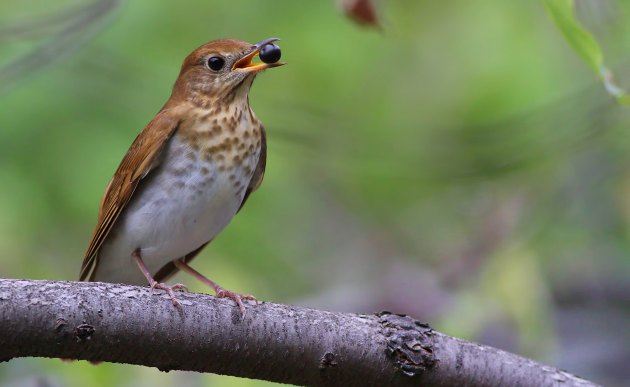
thrush

Mercury pollution — nothing to worry about if I don’t live in the rural Northeast and don’t eat tons of fish, right?

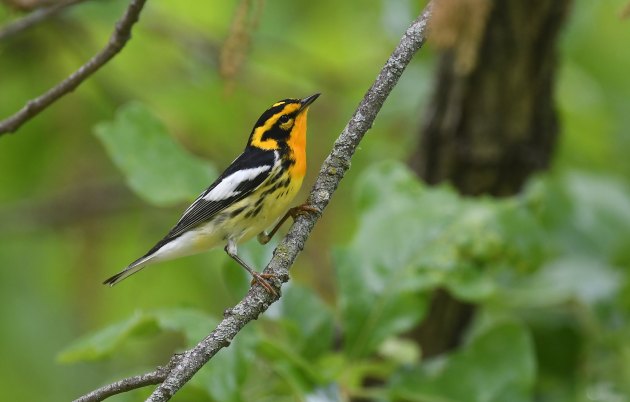
Guess again, says a new report done by the Biodiversity Research Institute (BRI) in conjunction with The Nature Conservancy. The report, “Hidden Risk,” details the wide spread and deep impacts of mercury pollution in terrestrial nature — particularly on animals such as songbirds and bats.

Your Climate Stories: Zornitza Hadjitodorova Builds Community on Both Facebook and Antarctica

Written by Guest Blogger on

Zornitza Hadjitodorova 2

This is part of a new regular series on Planet Change called “Your Climate Stories,” where we share reader stories about changes to the planet that they’re seeing, and actions that they are taking in their daily lives to help reduce carbon pollution and respond to the impacts of our changing planet. Today’s story is from Zornitza Hadjitodorova, who joined an expedition to Antarctica after launching a successful environmental Facebook page.

Your Climate Stories: Tom Hoydic’s Off-the-Grid Approach in Michigan

Written by Guest Blogger on

Tom Hoydic 2

This is the first in a new regular series on Planet Change called “Your Climate Stories,” where we share reader stories about changes to the planet that they’re seeing and actions that they are taking in their daily lives to help reduce carbon pollution and respond to the impacts of our changing planet. Today’s story is from Tom Hoydic, who lives part of the year off-the-grid in Michigan.

Just 20 Inches Could Make a Disastrous Difference

Written by Robert Lalasz on

chris shepard_crop CGS

A new study in the journal Natural Hazards co-authored by Conservancy fellow Christine Shepard (left) takes a look at how people and property on the southern shores of Long Island might be affected with an increase in sea levels about as high as an English Springer Spaniel is tall. This scenario suggests 73 percent more property losses from a mid-sized hurricane — and this is a conservative estimate of what may lie ahead. Damages per property rises with the depth of water, but mapping future sea levels can help people to prepare.

The Pleasure of Local Fruits in Winter

Written by Sarene Marshall on

1129156

Unfortunately for me and people that share my seasonal obsessions, while soup and chili are comforting traditions, winter is a downtime for fresh fruit. But I have found a way to relive the memories of fun family outings for fresh-picked fruit by having them make an encore in my holiday plans.

About Planet Change

Planet Change is a Nature Conservancy blog site designed to share stories about actions the Conservancy and others around the world are taking to fight carbon pollution and the impacts of climate change, and to help people feel the connections between climate change and their daily lives and understand actions they can take.

The Nature Conservancy